Hey everyone, Mduduzi here.
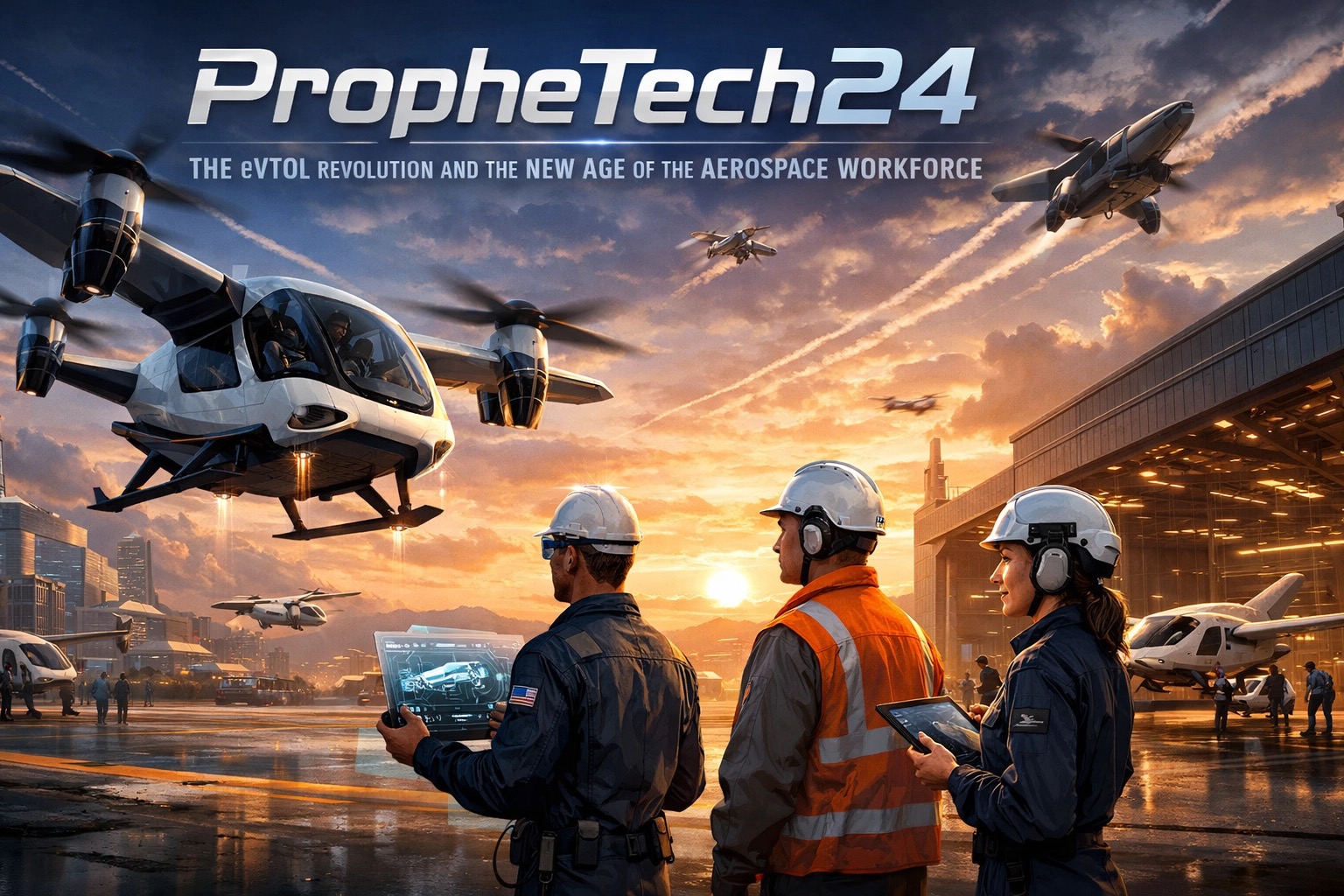
If you've been following the pulse of this industry lately, you know things are moving at a speed that would make a Mach 2 interceptor look like it's standing still. We are witnessing the birth of a new era, and today, I'm writing to you not just as the CEO of Worldwide Aerospace Network, but under a moniker that represents our vision for the future: PropheTech24 - The Prophet 2 and 4 Technology.
Why "PropheTech24"? Because in 2026, we aren't just reacting to the market; we are predicting the shift and building the technology: the "2 and 4" representing the bridge between the traditional dualities of aerospace and the four-dimensional digital future we are flying into.
The White House Signals the Green Light
The big news hitting the wires this week is a massive catalyst for everything we've been working toward. Archer Aviation has officially been selected for the White House eVTOL Integration Pilot Program. This isn't just another press release; it's a jurisdictional stake in the ground for Florida, New York, and Texas.
But as we celebrate the hardware and the high-level government nods, we need to talk about the reality on the ground. We have the planes. We have the routes. But do we have the people to keep them in the air?
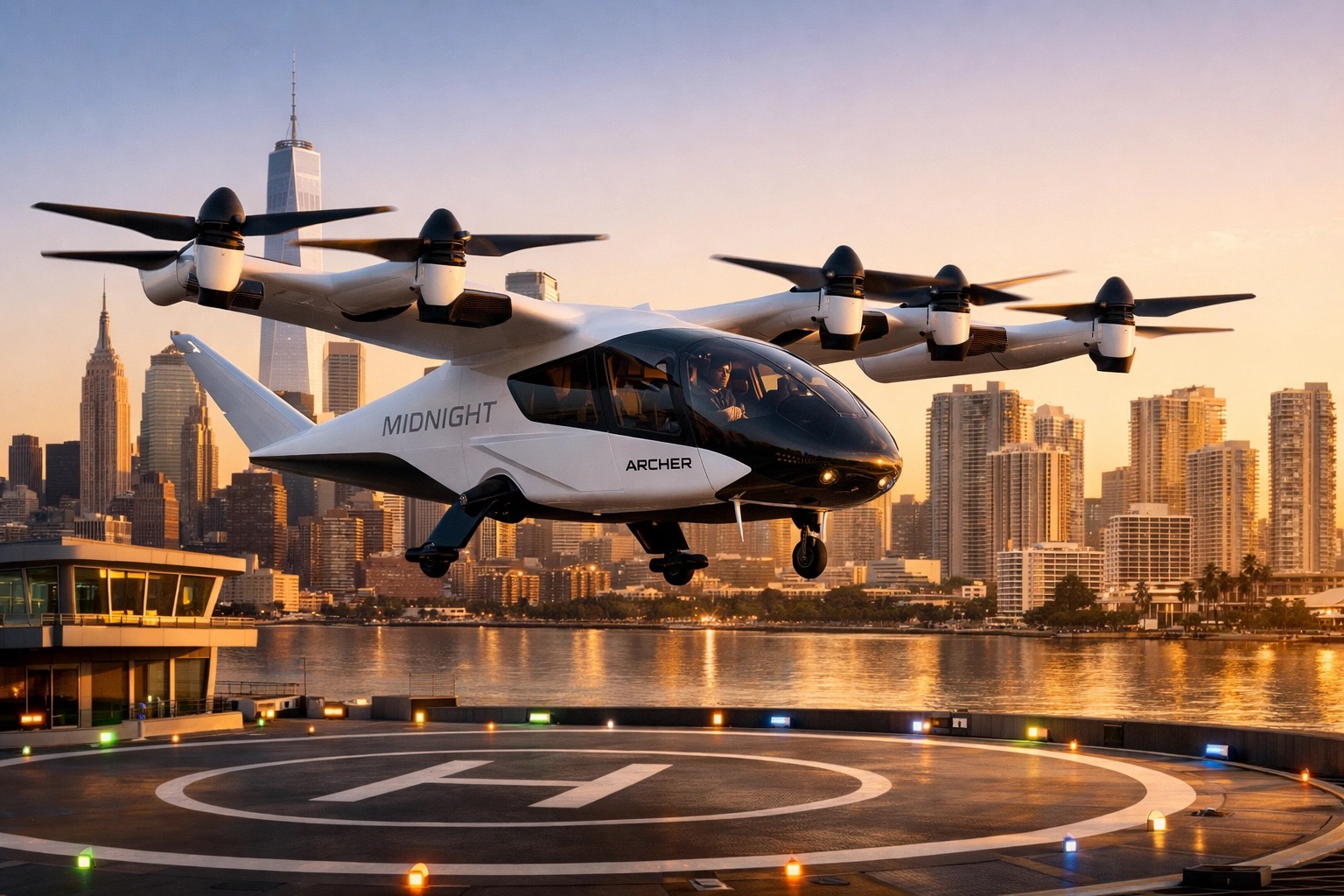
The announcement that Florida, New York, and Texas have been selected for this pilot program is a game-changer. These aren't just random states; they are the busiest, most complex airspaces in the world. By integrating Archer's Midnight aircraft into these regions, the White House is essentially saying that electric vertical takeoff and landing (eVTOL) technology is no longer "the future": it is the present.
This program is designed to stress-test the infrastructure, the noise profiles, and, most importantly, the regulatory framework required to move thousands of people over gridlocked traffic using clean, quiet, electric power. For those of us at Worldwide Aerospace Network, this is the validation we've been waiting for.
However, looking at this through the lens of PropheTech24, I see a looming challenge that the headlines aren't covering. When you scale a fleet of electric aircraft across three of the largest states in the union, you don't just need pilots. You need a specialized workforce that understands the DNA of these machines.
Enter the "Silicon Valley Mechanic"
For decades, the image of an aircraft mechanic was someone with grease under their fingernails, a heavy wrench in hand, working on a massive turbofan engine. While that skill set is still the bedrock of our industry, the eVTOL revolution demands something different.
We are seeing the rise of what I call the "Silicon Valley Mechanic."
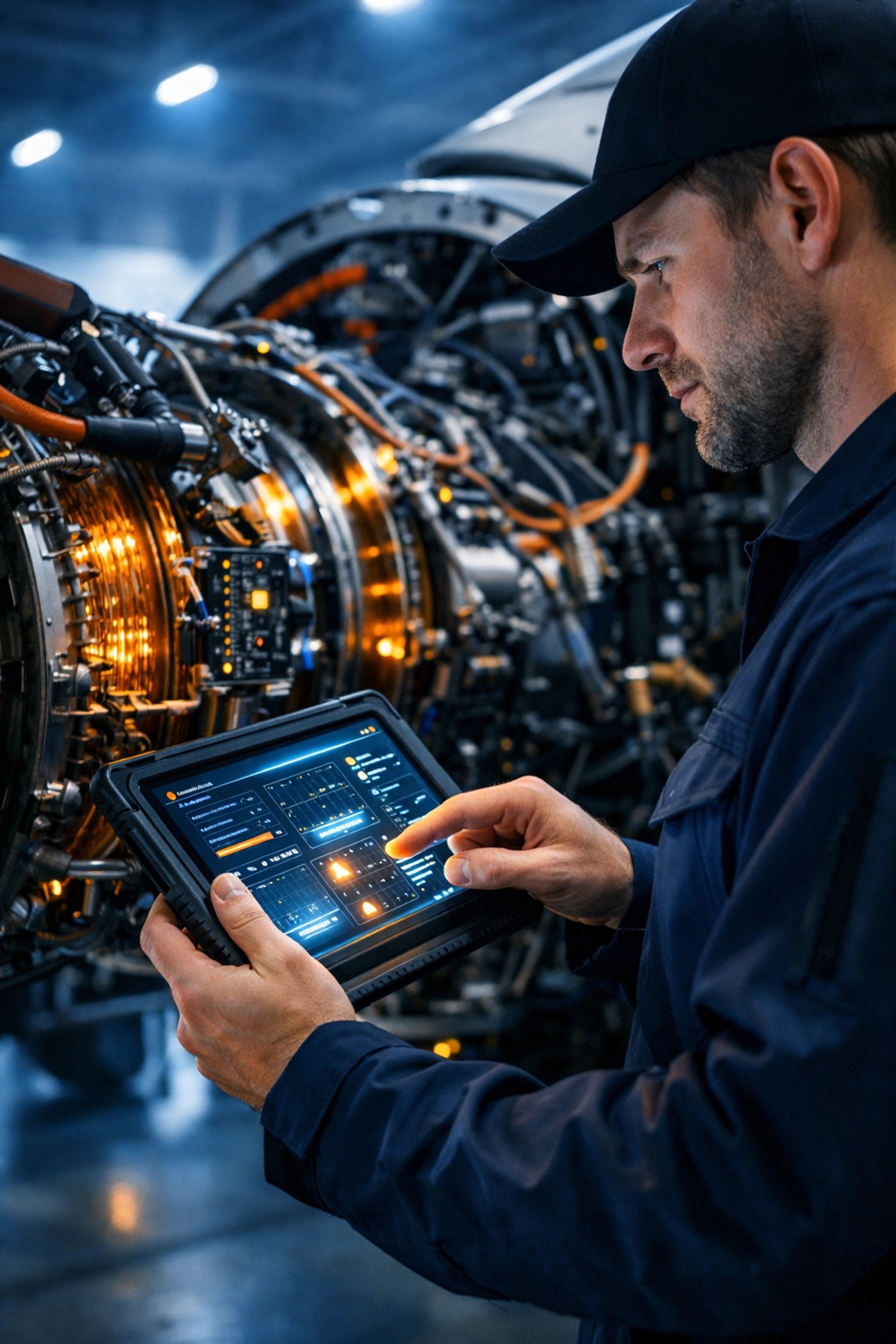
These are the men and women who will maintain the Archer Midnights and the Jobys of the world. They need to be as comfortable with a multimeter and a laptop as they are with a torque wrench. These aircraft are essentially flying supercomputers powered by high-voltage battery arrays and distributed electric propulsion systems.
If a sensor fails on an eVTOL, you aren't just looking for a mechanical shear; you're looking at data logs, firmware versions, and electromagnetic interference. The workforce of 2026 needs to be a hybrid: a blend of the traditional FAA-certified A&P (Airframe and Powerplant) technician and a high-end electronics systems engineer.
At Worldwide Aerospace Network, we've been obsessing over how to build this workforce. We know that the current talent gap is the single biggest threat to the eVTOL rollout. You can build 1,000 aircraft, but if you only have 100 people qualified to sign off on their airworthiness, your fleet is grounded.
Bridging the Gap with WANADV and WANAAM
To meet this challenge head-on, we've leaned heavily into our specialized divisions: WANADV (Worldwide Aerospace Network Advanced Development) and WANAAM (Worldwide Aerospace Network Advanced Air Mobility).
These divisions are the engines behind our strategy to bridge the gap between "tech" and "hangar." We aren't just a platform; we are an ecosystem designed to ensure that the standards of the FAA are met while embracing the rapid innovation of Silicon Valley.
- Workforce Development: We are working to modernize how A&P licenses are viewed in the context of electric flight. The foundational knowledge of flight safety and FAA standards is non-negotiable, but we are layering on the specialized training required for high-voltage systems and composite materials.
- Standardization: Through WANAAM, we are helping to define what "Advanced Air Mobility" maintenance looks like. How often do you cycle a battery? What does a 100-hour inspection look like when there's no internal combustion? These are the questions we are answering today so the industry can fly tomorrow.
- The WAN Platform: We are connecting the talent in Texas, Florida, and New York directly with the innovators like Archer. If you are a technician looking to transition from traditional GA (General Aviation) or commercial jets into the eVTOL space, Worldwide Aerospace Network is your home base.
Why Florida, New York, and Texas?
It's no coincidence that these three states were chosen for the White House program.
- Florida is the testing ground for urban-to-regional connectivity. Think Miami to Palm Beach or Orlando's theme park corridors. The weather is consistent, but the heat and humidity provide a perfect test for battery thermal management.
- New York represents the ultimate urban challenge. Moving people from Manhattan to JFK or Newark in under 10 minutes is the "holy grail" of AAM. The density and complexity of the NYC airspace mean the technicians on the ground have to be the best of the best.
- Texas is the land of scale. With the Dallas-Fort Worth metroplex and the sprawling energy corridors of Houston, Texas is where eVTOLs will prove they can handle high-frequency, high-utilization operations.
PropheTech24 sees these states as the "Initial Operating Capability" hubs that will set the standard for the rest of the world. If we get the workforce right in these three regions, the global rollout becomes a matter of copy-paste.
The Prophet's Vision: A Call to Action
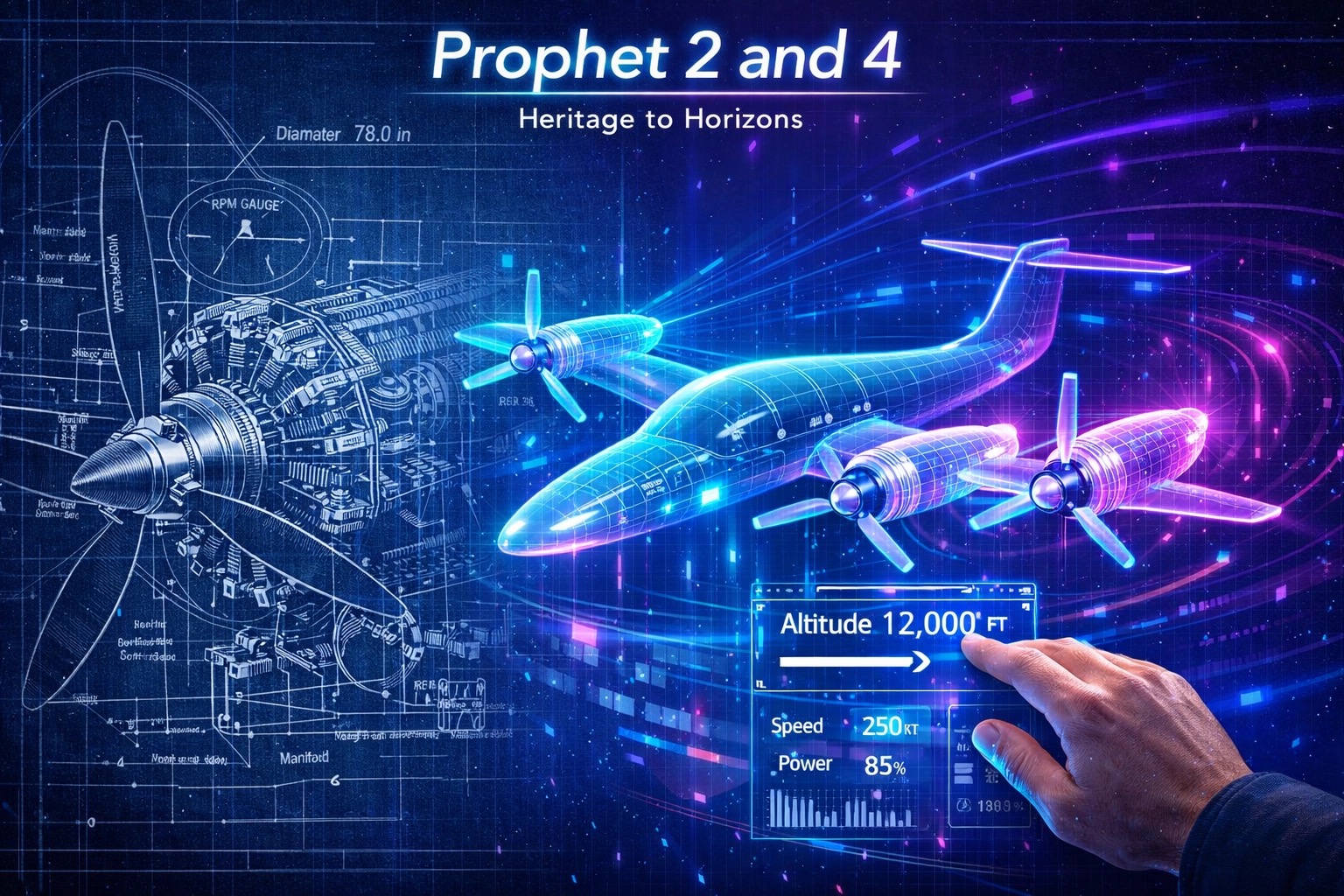
The "Prophet 2 and 4" philosophy is about balance. 2 steps back to respect the safety and rigor of aviation history, and 4 steps forward to embrace the technology of the future.
To the engineers, the mechanics, and the dreamers: the era of the Silicon Valley Mechanic is here. The White House has signaled that the infrastructure is coming. Archer has shown that the aircraft are ready. Now, it's on us to ensure the human element is prepared.
The Worldwide Aerospace Network is committed to being the platform where this transition happens. We are bridging the gap between the software that powers these flight controllers and the hardware that carries our families through the sky.
If you're ready to be part of this revolution, whether you're a veteran A&P or a tech-head looking to get your hands dirty, it's time to plug in. The sky isn't getting any less crowded, but it is getting a lot smarter.
Let's build the future of flight together.
Stay visionary,
Mduduzi
PropheTech24 - The Prophet 2 and 4 Technology
CEO, Worldwide Aerospace Network